

Dry Eye or Eye Allergies? How to Tell the Difference
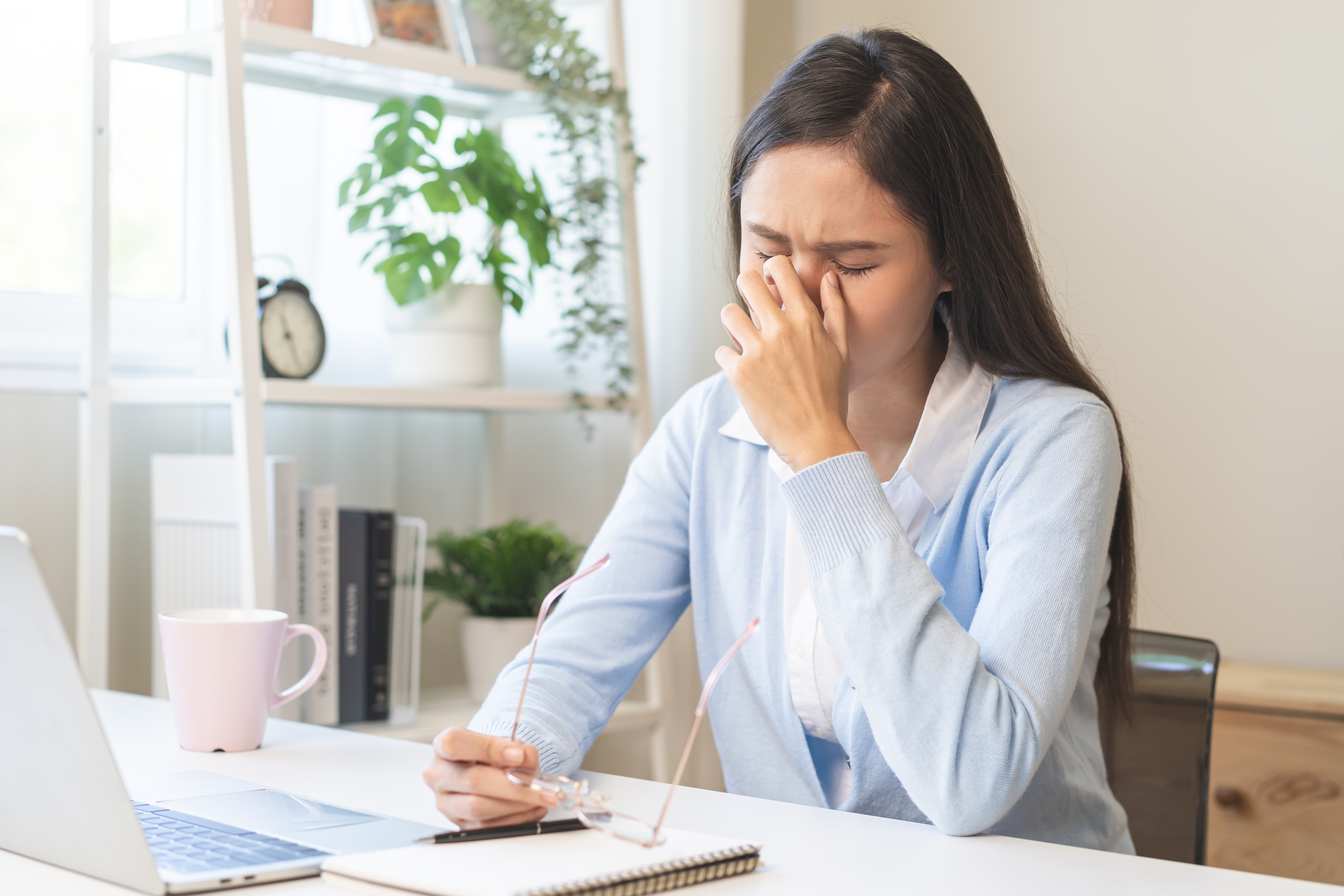
Dry, red, irritated eyes are common symptoms, but the cause is not always obvious. Dry eye and eye allergies can feel similar, and some people experience both at the same time. Knowing the differences can help you understand when home care may not be enough and when it is time for an eye exam.
Why Dry Eye and Eye Allergies Feel Similar
Both conditions can affect the tear film and leave the eyes uncomfortable. Dry eye develops when the eyes do not make enough tears or when tears evaporate too quickly. Eye allergies occur when the immune system reacts to an allergen such as pollen, pet dander, dust, or mold.
Because both conditions may cause redness, watering, irritation, and sensitivity, symptoms alone can sometimes be misleading. A professional evaluation can help identify what is contributing to the problem.
Signs That Point More Toward Dry Eye
Dry eye often causes burning, stinging, grittiness, or the sensation that something is stuck in the eye. Vision may also become temporarily blurry, especially after extended screen use or prolonged reading. Some people are surprised to learn that watery eyes can also be a sign of dry eye because irritation may trigger reflex tearing.
Common dry eye symptoms include:
- Burning, stinging, or scratchy sensations
- A gritty or foreign-body feeling
- Fluctuating or blurry vision
- Sensitivity to light
- Redness or excessive watering
- Discomfort that worsens with screens, wind, air conditioning, or dry environments
Dry eye can be associated with meibomian gland dysfunction, eyelid inflammation, certain medications, low tear production, or environmental factors.
Signs That Point More Toward Eye Allergies
Itching is one of the strongest clues that allergies may be involved. Allergy symptoms often affect both eyes and may appear or worsen after exposure to a specific trigger. Puffy eyelids and watery eyes are also common.
People with seasonal eye allergies may notice that symptoms flare during certain times of year. Nasal symptoms such as sneezing, congestion, or a runny nose may occur at the same time, although eye allergies can also happen without them.
Rubbing itchy eyes can make irritation worse, so persistent symptoms should not simply be ignored.
Can You Have Dry Eye and Allergies at the Same Time?
Allergies can contribute to inflammation on the eye surface, and some allergy medications may reduce tear production. This can make dry eye symptoms more noticeable. Treating only one issue may not fully resolve the discomfort when both conditions are present.
That is why an accurate diagnosis matters. The right approach depends on what is affecting the tear film, eyelids, oil glands, and ocular surface.
How We Evaluate Ongoing Eye Irritation
At VIVID Eyecare, we take a closer look at the possible causes of dry, itchy, or irritated eyes. Our dry eye evaluation may include imaging of the meibomian glands, tear film osmolarity testing, and screening for related conditions. Depending on the findings, dry eye treatment may include prescription eye drops, oil gland therapy, eyelid hygiene, blinking exercises, or other personalized recommendations.
If irritation keeps returning, symptoms are affecting your vision, or over-the-counter products are not providing relief, an eye exam can help determine whether dry eye, allergies, or a combination of both is responsible.
Schedule an evaluation with VIVID Eyecare in Springfield, PA by calling (610) 423-2004 and let us help you find the right approach for more comfortable eyes.


CONTACT US
Office Hours
Monday 9:00am - 6:00pm
Tuesday 9:00am - 2:00pm
Wednesday 9:00am - 6:00pm
Thursday 1:00pm - 6:00pm
Friday 9:00am - 6:00pm
Saturday 9:00am - 3:00pm
Sunday 10:00am - 4:00pm

Powered by: 